Home Blog Page 8

Global Hospitality Innovators Converge in Manila: Accor, The Ascott, Bellevue Hotels and Resorts, Anya, and More at the Philippine Hotel Innovation Summit 2026

Philippine Hotel Innovation Summit 2026: A Gathering of Global Hospitality Innovators

Setting the Scene

The Philippine Hotel Innovation Summit 2026 recently took place at the Novotel Manila Araneta City, marking a significant event for the hospitality sector. This summit gathered some of the most influential names in global hospitality, including Accor, The Ascott, Bellevue Hotels and Resorts, and Anya, signaling an exciting convergence of ideas and innovations set to transform the future of hospitality in the Philippines and across Asia.

Importance of the Summit

At an exciting time when the hospitality industry is undergoing rapid transformation, this summit became a crucial platform for dialogue among hotel executives, developers, technology providers, and investors. The conversations focused on the pressing themes of technology, sustainability, and personalized guest experiences, which are redefining how hotels operate and compete in an ever-evolving market.

A Global Framework

Organized by Escom Events, the summit attracted participants from various countries, emphasizing the Philippines’ position on the global hospitality map. Professionals from Singapore, China, Thailand, and Vietnam engaged in discussions about innovative strategies that could redefine hotel operations. This diverse representation highlighted the growing international interest in the Philippine hospitality sector, showcasing its vibrant potential.

The Philippines: A Rising Investment Hub

With a booming tourism resurgence, the Philippines has become one of Southeast Asia’s most promising hospitality investment markets. Industry leaders shared insights on newly launched hotels in urban centers like Manila, Cebu, and Davao, while beautiful destinations such as Palawan and Boracay continued to allure global travelers. The summit created an opportunity for investors and developers to dive into market analysis and strategize for the next wave of tourism growth.

Emphasizing Innovation

Innovation was at the forefront of discussions at the summit, with a particular focus on the integration of modern design, cutting-edge technology, and sustainability in new hotel developments. Participants examined how these elements play a crucial role in maintaining competitiveness in the global hospitality landscape. The consensus was clear: to thrive, hotels must innovate while staying true to local culture and community.

A Hub for Technology

The summit served as an essential meeting point for hospitality companies and technology providers. Diverse stakeholders explored how technological advancements are transforming the guest experience and hotel operations. As more hotels embrace digital solutions, even mid-scale and boutique properties are leveraging technology to optimize performance and deliver superior service.

Showcasing Technological Solutions

International exhibitors played a vital role in the summit’s success. Innovators from Singapore, China, and Thailand presented cutting-edge solutions designed to modernize hotel operations. These technologies address various operational challenges, ranging from managing reservations and enhancing guest communication to increasing operational efficiency.

Panel Discussions: The Future of Development

Expert panel discussions examined the future of hotel development in the Philippines. Key discussions included sustainable design, smart technology integration, and investment strategies for new projects. The speakers emphasized the need for a balance between innovation and authenticity, ensuring that hospitality remains rooted in local cultural experiences.

Sustainability Takes Center Stage

Sustainability emerged as a critical theme throughout the summit. Developers and operators are increasingly adopting environmentally responsible practices as awareness of climate change grows. Sustainable hotel designs now encompass energy-efficient systems, water conservation technologies, and eco-conscious building materials.

Technology Enhances Guest Experiences

The influence of technology on guest experiences was another central focus. The latest advancements allow hotels to personalize their offerings and respond adeptly to traveler preferences. From data analytics that track guest behavior to mobile solutions facilitating check-in and communication, technology enhances efficiency and service quality.

Strengthening Regional Collaboration

The broader takeaway from the summit was the enhanced collaboration across Asia’s hospitality sectors. By sharing experiences and solutions, countries like Singapore, China, and Vietnam can collectively elevate hospitality standards while tapping into the burgeoning Philippine market.

Manila: The Emerging Hospitality Hub

Hosting the Philippine Hotel Innovation Summit reaffirmed Manila’s position as a key hospitality hub. Known for its luxury resorts and international hotel brands, Manila acts as the primary entry point for international travelers. By facilitating events like this summit, the city enhances its status as a center for hospitality expertise and investment.

Paving the Way for Future Hospitality

The Philippine Hotel Innovation Summit 2026 illuminated the transformational journey of the country’s hotel industry. By fostering collaboration among international technology providers, hospitality leaders, and investors, the summit laid the groundwork for future innovations in terms of smarter hotels, sustainable practices, and personalized guest experiences.

This event underscored the Philippines’ significance as both a major tourism destination and a dynamic center for hospitality innovation in Asia, ensuring that the discussions and partnerships formed will have lasting impacts on the industry.

CDC Issues Travel Advisory for Popular Vacation Spots, Cautions Against Potentially Fatal Disease Spread in 32 Countries | Health, Human Interest, Politics, Travel | Celebrity News and Gossip | Entertainment, Photos, and Videos

The United States Centers for Disease Control and Prevention (CDC) has recently issued a critical advisory for travelers planning to visit 32 foreign countries, highlighting the urgent need for increased caution due to the resurgence of a potentially fatal disease—polio. This advisory not only affects seasoned globetrotters but also casual travelers who may be considering popular tourist destinations this season.

Countries included in the advisory have been categorized as “Level 2” on a scale of four, meaning the CDC advises travelers to “practice enhanced precautions.” The agency has provided guidelines to help individuals stay safe while exploring these regions, significantly affecting travel plans for those yearning to experience different cultures and sights.

The root cause of this advisory stems from the alarming spread of polio, described as “crippling and potentially deadly.” This serious illness primarily targets the nervous system, and while many infected people may show no symptoms, the potential consequences can be dire. Symptoms can include mild fever, nausea, and sore throat, yet in rare instances, polio can lead to permanent paralysis or even death if muscles responsible for breathing are affected.

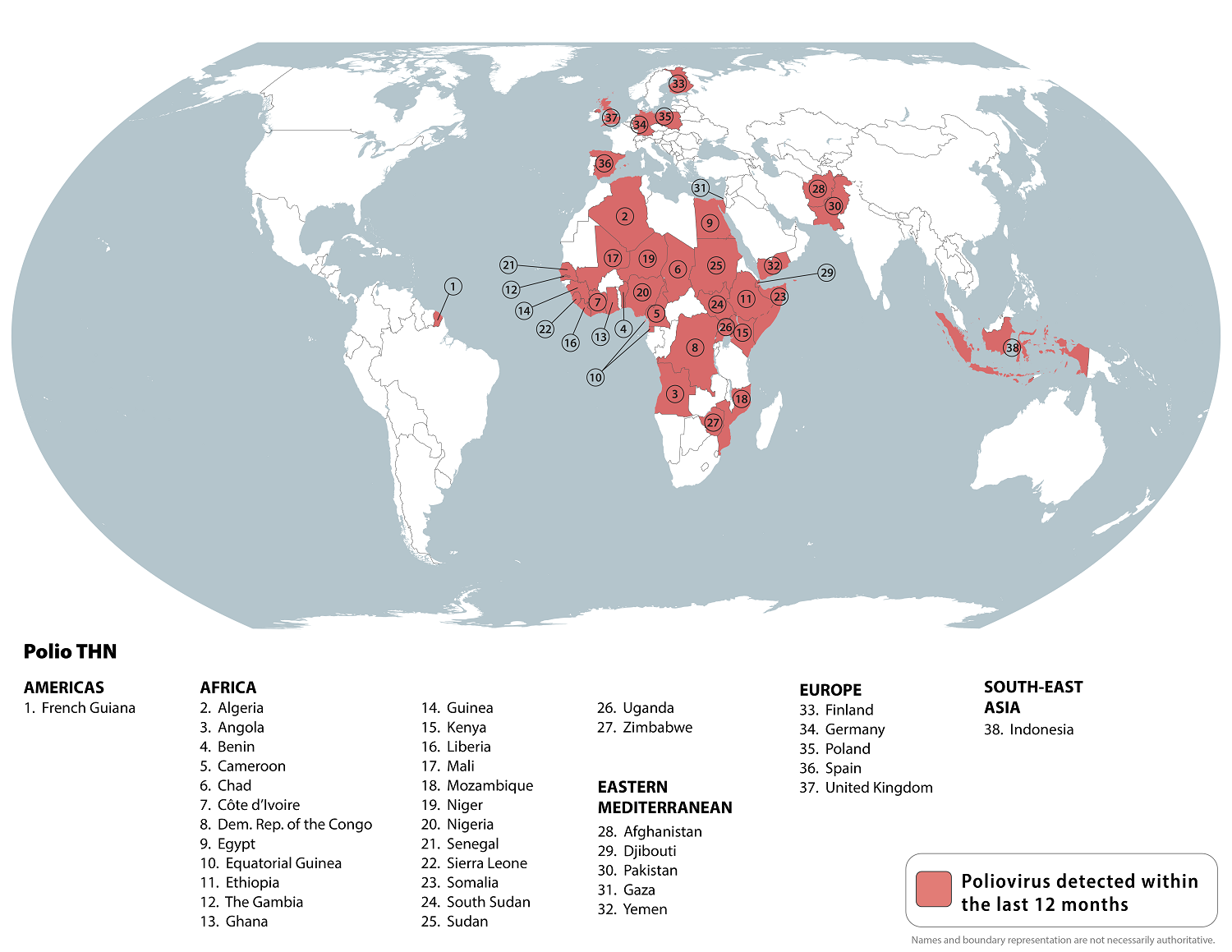
To shed light on the geographical scope of this issue, a map provided in the advisory illustrates where polio has been detected in the past year. Most of the affected countries are located across Africa, Europe, the Middle East, and the Western Pacific, avoiding areas in North and South America. This emphasizes the necessity for travel preparations, particularly for those visiting high-risk parts of the world.

Among the notable destinations listed in the advisory are Spain and Germany, recent members of the top 10 most popular travel spots in Europe according to a Forbes poll conducted for 2025. Other countries of interest include the United Kingdom, Finland, Israel, and Sudan, attracting a diverse array of tourists.

The complete list of countries under the CDC advisory comprises: Afghanistan, Algeria, Angola, Benin, Burkina Faso, Cameroon, Central African Republic, Chad, Côte d’Ivoire, Democratic Republic of the Congo, Djibouti, Ethiopia, Finland, Gaza, Germany, Ghana, Guinea, Israel, Niger, Nigeria, Pakistan, Papua New Guinea, Poland, Senegal, Somalia, South Sudan, Spain, Sudan, Tanzania, the United Kingdom, Yemen, and Zimbabwe. With such a significant number of countries affected, the implications for global travel are profound.

Travelers planning visits to these regions are explicitly urged by the CDC to ensure their polio vaccinations are current. Adults who have been fully vaccinated are encouraged to get a booster shot before heading off on their adventures. This proactive step can significantly mitigate the risk of contracting this dangerous virus.

Notably, while many individuals infected with polio may not exhibit symptoms, the CDC cautions that the virus is primarily transmitted through contact with feces from an infected person. This underlines the essential role of hand hygiene and safe food practices in preventing infection. Travelers should emphasize proper handwashing techniques and be cautious about consuming food or beverages that may be contaminated.

The CDC’s advisory serves as a crucial reminder of the ongoing need for public health awareness, especially in our interconnected world. As travelers set out to explore new destinations, understanding these health risks can arm them with the knowledge necessary to enjoy their journeys safely, while also contributing to public global health efforts.

The Growth of Chinese Outbound Travel in 2026: Influences of Young, Family, and Luxury Travelers on the Global Travel Landscape

The Rise of Chinese Outbound Travel in 2026: How Young, Family, and Luxury Tourists Are Shaping the World of Travel

The outbound travel market from China is booming in 2026, transforming tourism worldwide. Analysts predict millions of Chinese travelers will explore international destinations this year, influencing flight routes, hotel bookings, and local economies. This growth positions the market as a major source of visitors across Asia, Europe, and beyond. For global travelers and tourism professionals, understanding this expansion provides valuable insights into emerging trends and opportunities.

Families Lead the Way in Outbound Travel

Family travel dominates China’s outbound tourism landscape. More than half of trips taken by Chinese travelers involve families, often spanning multiple generations. Leisure remains the primary reason for travel, with beach resorts, cultural excursions, and theme parks topping the list. Destinations that provide family-friendly amenities, group activities, and convenient transport options are experiencing heightened popularity. Recognizing this trend offers global tourism providers an opportunity to plan trips alongside Chinese visitors, fostering cultural exchanges and understanding the significance of family-oriented experiences.

Young Travelers Drive New Experiences

Young Chinese travelers aged 15–24 are now the most active segment in outbound tourism. They seek immersive, interactive, and shareable experiences that go beyond traditional sightseeing. Their interests include cultural workshops, urban adventures, culinary exploration, and outdoor activities. To attract this demographic, global destinations must focus on innovation, technology-driven engagement, and creating Instagram-worthy moments. Tours that blend local culture, adventure, and convenience resonate with this audience, leading to new opportunities for tourism operators to adapt their offerings.

Premium Tourism: Luxury and Exclusive Experiences

Affluent Chinese tourists are increasingly in search of premium travel opportunities. Luxury hotels, private tours, VIP access, and exclusive cultural activities are now highly desired. This segment prioritizes quality, convenience, and exclusivity over cost. Destinations that provide curated culinary experiences, private museum access, high-end retail options, and personalized services are capturing the attention of affluent travelers. Catering to this market not only boosts revenue but also enhances the reputation of destinations, as luxury travel represents both an economic opportunity and a shift in global travel expectations.

Top Destinations: Asia-Pacific and Beyond

The Asia-Pacific region remains the most popular destination for Chinese travelers, largely due to proximity and cultural familiarity. Countries like Japan, Thailand, Hong Kong, and Macau consistently attract large numbers of visitors. However, long-haul travel is on the rise, with European cities such as Paris, Berlin, and Rome gaining traction for their rich history, culture, and premium shopping offerings. Global tourism operators can benefit from creating packages that combine short-haul familiarity with long-haul exploration. Multi-country itineraries, cultural experiences, and high-quality services appeal to various segments of Chinese travelers, from families to young adults and luxury seekers.

Digital and Mobile Travel Trends

Chinese travelers heavily rely on mobile platforms and social networks to plan, book, and share their journeys. Seamless mobile booking, digital payment options, and online support in their native language are now essential. Destinations that invest in digital engagement, social media content, and online reviews increase their visibility. Implementing mobile-first marketing strategies and interactive apps helps travelers immerse themselves in local culture, discover attractions, and connect with fellow tourists. Understanding these digital trends is crucial for global tourism providers aiming to serve Chinese visitors effectively.

Economic Impact on Global Tourism

Chinese outbound travel in 2026 plays a significant role in shaping the recovery and growth of global tourism. Increased travel generates revenue not just for airlines and hotels, but also for restaurants, attractions, and retail sectors worldwide. With rising middle-class incomes, relaxed travel policies, and renewed confidence, Chinese tourists are taking more frequent international trips. Countries that adapt their infrastructure, services, and marketing to cater to Chinese preferences stand to benefit economically while enhancing the overall visitor experience. Observing these trends helps tourism professionals anticipate crowd patterns and plan effective itineraries.

Preparing for the Future of Travel

Looking ahead, the China outbound travel market is poised for continued expansion beyond 2026, further influencing global tourism trends. Destinations must focus on providing immersive experiences, family-friendly offerings, luxury services, and a robust digital presence. Collaborations between tourism boards, travel operators, and service providers are essential to ensure seamless and memorable trips for Chinese visitors. By understanding cultural preferences, lifestyle trends, and technology usage, destinations can maintain their competitiveness and appeal. Observing these shifts presents opportunities to explore the world alongside Chinese tourists.

Filipino Travelers Celebrate: Philippine Passport Expansion Unlocks 77 New Destinations and Enhances Global Access

Filipino Travelers Rejoice as Philippine Passport Climb Opens Up 77 Destinations and Boosts Global Reach

The Philippine passport has recently achieved a significant milestone, rising two spots to rank 66th globally, marking a transformative period for Filipino travelers. This advancement not only enhances the country’s travel mobility but also opens exciting new opportunities for exploration and cultural exchange. With 77 destinations now accessible without the need for a traditional visa, the prospects for Filipino tourism are brighter than ever.

A Step Forward: The Philippine Passport’s New Mobility Ranking

As of February 2026, the Philippine passport’s ascension in global mobility rankings highlights the nation’s growing international standing in terms of travel freedom. It boasts a mobility score of 77, placing it in a mid-range position among global passports. This improvement reflects the Philippines’ increasing global recognition and the ongoing efforts of the government to strengthen diplomatic ties worldwide.

The climb to 66th place is a testament to the government’s persistent initiatives aimed at enhancing international relations. Filipino citizens can now enjoy greater freedom in international travel, signaling a new era of accessibility and opportunity.

Unlocking Global Travel: Visa-Free, Visa-On-Arrival, and eTA Access

Filipinos now have unprecedented travel opportunities, with 36 countries providing visa-free entry. This newfound ability allows passport holders to travel spontaneously without the administrative burden of applying for a visa beforehand. Such freedom enables Filipino travelers to explore the world with greater flexibility.

Moreover, 38 countries offer visa-on-arrival access, streamlining the travel process even further. Travelers can receive their visas upon landing, minimizing delays and allowing them to embark on their adventures with ease. For three additional destinations, only electronic travel authorization (eTA) is needed, offering yet another simplified travel option.

Despite 121 countries still requiring visas in advance, these advancements in visa-free and visa-on-arrival options signify a positive trend for the future of mobility for Filipino citizens.

Philippine Passport’s Impact on Tourism

The rise in global mobility for Filipinos is poised to significantly influence the tourism industry. As more Filipino travelers enjoy easier access to international destinations, the demand for both outbound and inbound tourism is likely to see a notable increase. This trend will not only allow Filipinos to engage with diverse cultures and experiences but also uplift the local tourism industry as they share their experiences upon returning home.

As they travel abroad, Filipinos will cultivate an awareness of global tourism trends and cultural practices, potentially leading to increased tourism from foreign countries to the Philippines. The growing accessibility to new destinations encourages Filipinos to venture abroad, exploring different landscapes and cultural narratives, which could, in turn, enhance the Philippines’ appeal as a travel destination.

A Gateway to New Destinations and Experiences

Higher global mobility translates to smoother travel experiences for Filipino passport holders. Whether planning a spontaneous weekend getaway or a comprehensive travel itinerary, the increased passport access allows for much greater flexibility.

Countries across Europe, Asia, and parts of Africa are now more accessible, encouraging Filipino travelers to explore a variety of exotic locations and broaden their horizons. This opens up numerous avenues for cultural exchange and engagement, ultimately contributing to the overall growth of global tourism.

The Future of Filipino Travel: A Bright Horizon

The remarkable progress of the Philippine passport symbolizes an exciting chapter in the travel narrative for the country. With access to 77 destinations, the potential for increased outbound tourism is significant. This enhanced global standing not only boosts travel for Filipinos but also serves as a catalyst for economic growth through tourism.

For Filipino citizens, this elevation in travel freedom means that new opportunities for adventure await. It places the Philippines at the forefront of the global tourism market, allowing its citizens to engage in travel experiences that were previously out of reach. The ability to traverse more borders fosters opportunities for personal growth, economic development, and intercultural understanding.

As Filipino travelers leverage their newfound freedom, both the Philippines and the destinations they visit will benefit from this tourism renaissance, driving global engagement to unprecedented levels.

10 Budget-Friendly Travel Destinations from Canada in March: Featuring Portugal and Spain

Discover Affordable Spring Break Destinations for Canadians in March

Canadians looking to escape the lingering winter chill in March often face a dilemma: the quest for cheap vacations during the bustling spring break period. As families and students flock to traditional warm-weather spots, airfare and accommodation prices tend to skyrocket. However, savvy travelers should know that there are surprisingly affordable destinations waiting to be discovered.

The Challenge of Spring Break Travel

During the peak season of March, finding budget-friendly travel options can feel like searching for a needle in a haystack. Many popular choices—like Cancun or Punta Cana—become crowded and pricey. Yet, opportunities for affordable flights from Canada do exist, particularly if you’re open to less conventional locations.

Skyscanner’s Insight

According to travel experts at Skyscanner, who analyzed countless routes and millions of prices, Canadians can still fly to enticing destinations at reasonable rates in March. Their research highlights destinations that offer fun, vibrant experiences without draining your bank account. From the sun-soaked coasts of the Caribbean to the historic streets of European cities, there’s a world of possibility.

Surprising Alternatives

Instead of opting for typical spring break destinations, consider the charm of places like Lisbon or Dublin. These cities not only provide unique cultural experiences but often present lower airfare prices. You might have to navigate higher lodging costs or plan budget-friendly activities, but the adventure is worth it. Here are some top destinations to consider this March.


Edmonton, Canada

Average Roundtrip Cost: $263
Cheapest Day to Fly: Friday

Edmonton might not be on your radar for a spring getaway, but this vibrant city offers a mix of outdoor activities and urban culture. Its extensive park system sprawls alongside the North Saskatchewan River, providing stunning natural vistas. Visit the lively West Edmonton Mall, where you can enjoy an indoor water park, skating rink, and a variety of dining options influenced by the city’s multiculturalism. For day trips, Elk Island National Park is a short drive away, ideal for wildlife enthusiasts.


New York, United States

Average Roundtrip Cost: $391
Cheapest Day to Fly: Wednesday

The Big Apple is a treasure trove of experiences. Each of its five boroughs offers a different flavor, from the iconic skyline of Manhattan to Brooklyn’s trendy neighborhoods. Central Park serves as urban escape, while museums like the Met provide a cultural dive. Dining is a delight: grab a slice of pizza for just a few dollars or dine at food carts offering international fare. Spring in NYC can be magical, with outdoor events and beautiful parks waiting to be explored.


Oranjestad, Aruba

Average Roundtrip Cost: $539
Cheapest Day to Fly: Thursday

For those yearning for tropical warmth, Oranjestad in Aruba is an excellent choice. With temperatures stable at 28°C in March and beautiful beaches like Eagle and Palm stretching out before you, this is paradise found. The island’s unique blend of Dutch architecture and Caribbean vibes makes for picturesque days, while attractions like Arikok National Park offer adventurous excursions. With a compact layout, getting around is easy, and the culinary scene reflects a rich tapestry of influences.


Faro, Portugal

Average Roundtrip Cost: $590
Cheapest Day to Fly: Saturday

As the gateway to the Algarve, Faro boasts stunning spring weather—ideal for exploration. With historical architecture and breathtaking coastal views, this city is perfect for a relaxed getaway. Visit Ria Formosa Natural Park to see diverse wildlife, or enjoy a leisurely day at Praia de Faro. The cost of living is often lower than in larger cities, allowing for an affordable stay while enjoying delicious local cuisine.


Ponta Delgada, Portugal

Average Roundtrip Cost: $619
Cheapest Day to Fly: Saturday

Located in the Azores archipelago, Ponta Delgada is a hidden gem. March offers mild temperatures perfect for outdoor activities, including hiking and whale-watching. The volcanic landscapes and geothermal springs provide unique natural beauty that feels truly remote. Most importantly, budget-friendly accommodations and dining options abound, making this an excellent spring escape.


Paris, France

Average Roundtrip Cost: $638
Cheapest Day to Fly: Tuesday

Visiting Paris in March lets you experience the city before the summer rush. The charm of budding flowers and crocus blooms in the Tuileries Garden adds to the allure. Enjoy artistic treasures in world-famous museums without long lines, and sample delectable French dishes at a lower cost than in peak seasons. With plentiful walkable areas, Paris is best explored on foot, soaking in its history and beauty.


Fort De France, Martinique

Average Roundtrip Cost: $672
Cheapest Day to Fly: Monday

A unique fusion of French and Caribbean influences awaits you in Fort de France. With warm temperatures and fresh produce from local markets, it’s hard not to indulge in the rich culinary scene. March is within the dry season, perfect for hiking or lounging on the beach. The historical charm of colonial architecture coupled with the lush landscapes offers a picturesque setting for any traveler.


Lisbon, Portugal

Average Roundtrip Cost: $694
Cheapest Day to Fly: Wednesday

Lisbon is a feast for the senses, with its vibrant neighborhoods, historic trams, and stunning miradouros (viewpoints). Enjoy the famous Pastéis de nata while exploring cobbled streets lined with azulejo-tiled buildings. Day trips to nearby Sintra or Cascais let you experience the countryside without straying far from the city. March weather is mild, providing the perfect backdrop for exploration.


Barcelona, Spain

Average Roundtrip Cost: $758
Cheapest Day to Fly: Wednesday

Barcelona, characterized by its unique architecture, welcomes visitors with open arms. The Mediterranean coast, coupled with delightful tapas bars, allows for a perfect blend of relaxation and adventure. Explore the famous La Sagrada Família and Gothic Quarter, or take a scenic train ride to the nearby Montserrat mountains for a day trip.


Dublin, Ireland

Average Roundtrip Cost: $821
Cheapest Day to Fly: Friday

Packed with rich history and warm hospitality, Dublin is a walkable city filled with literary references. Beyond the busy Temple Bar, explore charming neighborhoods that boast local cafés and markets. With fresh seafood and traditional stews, enjoying a meal is both delightful and affordable. Taking a day trip to coastal cliffs or the Wicklow Mountains adds even more magic to your stay.


Navigating the world of travel in March doesn’t have to result in exorbitant expenses. With research and a willingness to explore lesser-known but equally captivating destinations, Canadians can still enjoy spring break without breaking the bank. Whether you seek vibrant city life, lush landscapes, or sun-soaked beaches, these options offer a treasure trove of experiences to explore. Remember, planning and flexibility in your travel choices can lead to exceptional adventures without the hefty price tag!

Thailand Tourism 2026: An In-Depth Look at the Boom, Expert Travel Insights, Key Markets, and Essential Destinations for International Travelers

Thailand Tourism 2026: A Boom Explained

Thailand is witnessing a remarkable tourism rebound in early 2026, welcoming over 5 million international visitors between January 1 and February 15. This early surge demonstrates the Kingdom’s enduring appeal as a top global destination. Despite a slight dip compared to the same period last year, the influx reflects strong demand, particularly from Asian countries, highlighting Thailand’s ability to attract high-value travelers keen to explore its diverse cultural, historical, and natural offerings.

Leading Source Markets and Trends

The majority of international visitors during this period arrived from China, closely followed by Malaysia, Russia, India, and South Korea. The influx from China was particularly notable during the Lunar New Year, a period traditionally associated with family travel and cultural celebration. This pattern illustrates how festive periods in source countries directly influence Thailand’s tourism flows.

Asian markets continue to dominate, but interest from Europe, the United States, and the Middle East is steadily growing. This shift reflects Thailand’s expanding appeal as a global leisure destination. Travelers increasingly seek experiences that combine cultural immersion with comfort, convenience, and scenic beauty.

Key Travel Destinations for 2026 Visitors

For both first-time and returning visitors, Thailand offers a diverse range of must-visit destinations.

  • Bangkok is a favorite, known for its bustling markets, vibrant street food culture, and historic temples, encapsulating the lively spirit of the city.
  • Chiang Mai, located in the north, attracts tourists with traditional festivals, artisan markets, and breathtaking mountain surroundings, providing a serene alternative to urban life.

Coastal regions like Phuket, Pattaya, and Krabi continue to be popular, offering idyllic beach holidays, luxury resorts, and a plethora of water-based activities. Each region provides a distinct experience, allowing travelers to balance adventure, relaxation, and cultural engagement.

Government Initiatives Supporting Tourism Growth

Thailand’s authorities have implemented several measures to enhance travel convenience and safety. These include simplified visa requirements for multiple nationalities, streamlined immigration procedures, and increased air connectivity, making it easier for tourists to visit.

Such initiatives focus on attracting high-value tourists who typically spend more time and money within the country, all while promoting sustainable and responsible tourism practices. By emphasizing quality experiences, Thailand is ensuring long-term growth and maintaining its status as a premier global destination.

Why Thailand Continues to Captivate Global Travelers

Several compelling factors make Thailand an enduringly popular destination. The country’s cultural richness, world-class hospitality, and vibrant festivals consistently attract visitors from all corners of the globe. Culinary tourism, featuring an array of night markets and local craft experiences, offers authentic encounters that leave lasting impressions.

Travelers are drawn not just to iconic attractions but also to off-the-beaten-path destinations that offer tranquility and immersive experiences. Thailand’s unique blend of urban excitement and natural serenity caters to every type of traveler, whether they are seeking adventure, relaxation, or cultural exploration.

Travel Tips for International Visitors

  • Plan Ahead: Peak periods, especially during festive seasons, can see large crowds. Early bookings for flights, hotels, and tours are recommended.

  • Explore Beyond Major Cities: Northern towns, historical sites, and remote islands provide unique cultural and natural experiences that enrich any trip.

  • Engage with Local Culture: Participating in festivals, visiting temples, and exploring culinary tours offers profound insights into Thai traditions, enhancing the travel experience.

  • Adopt Sustainable Practices: Supporting eco-friendly hotels and local businesses aids in preserving Thailand’s natural and cultural heritage.

  • Stay Informed: Keeping updated on entry requirements, travel advisories, and seasonal weather enhances the overall travel experience.

Outlook for Thailand Tourism 2026

As 2026 unfolds, Thailand’s tourism industry is showcasing resilience and adaptability. With strategic government initiatives, a welcoming environment for international visitors, and a focus on high-value travelers, the Kingdom is poised for continued growth throughout the year.

For global travelers in search of a destination that harmoniously blends rich culture, stunning landscapes, vibrant cities, and warm hospitality, Thailand remains an unmatched choice. The country is encouraging explorers to immerse themselves in the unique experiences it offers—from bustling urban streets to tranquil island escapes.

Traveling to Thailand in 2026 promises memorable moments and meaningful cultural encounters, providing a journey that lingers long in the memory. Those planning their next adventure will find no better time to experience the magic and charm of the Land of Smiles.

Spain Joins Mexico’s New Global Travel Hotspots for Canadian, French, Colombian, Brazilian, and Argentine Tourists, as Americans Continue to Favor Cancun, Playa del Carmen, Los Cabos, and Tulum Despite Warnings.

Expanding Horizons: Mexican Travelers Explore New Destinations

As the world of travel continues to evolve, 2026 brings an interesting trend: Mexican travelers are venturing beyond their borders, joining Canadians, Colombians, Brazilians, Argentinians, and French tourists in exploring global destinations like Spain. This shift occurs amidst a backdrop of American tourists consistently flocking to Mexico’s most popular resorts, including Cancun, Playa del Carmen, Los Cabos, and Tulum, even in light of travel warnings from the U.S. government.

The Allure of Mexico for American Tourists

Mexico has long been a beloved escape for U.S. vacationers, maintaining its status as the most popular international destination. Year after year, millions of Americans are enchanted by its sun-kissed beaches, vibrant culture, and expansive tourist offerings. Despite advisories from the U.S. Department of State detailing potential risks—ranging from crime to terrorism—these warnings have largely failed to deter travel. The reality is that U.S. tourists often frequent well-established areas that feel secure and maintained, showcasing a disconnect between official warnings and tourist behavior.

The Landscape of U.S. Travel Advisories

On August 12, 2025, the U.S. Department of State highlighted a range of travel advisories for Mexico, urging travelers to "Exercise Increased Caution" in certain regions. Quintana Roo, home to famous tourist spots, received a Level 2 advisory. Meanwhile, other areas like Guerrero and Michoacán fell under more serious warnings, including Levels 3 and 4. Yet, a paradox remains: many Americans continue to visit these locations with minimal anxiety, perhaps because they perceive the risks as exaggerated.

Resilience Among American Visitors

In 2025, approximately 24.8 million U.S. citizens visited Mexico, accounting for over 63% of all international tourists. Even amidst heightened travel advisories, this number reflects a surprising resilience; tourist numbers swelled by 5% during the first quarter of the year compared to 2024. The air capacity for flights between Mexico and the U.S. surged to around 4.6 million scheduled seats in July 2025, marking a 5.5% increase from the previous year.

Why does this trend persist in the face of official warnings? The answer often lies in the perception of safety. Many travelers assume that the risks associated with travel warnings pertain only to specific areas far removed from their intended destinations. Popular resorts like Tulum and Cancun are typically viewed as secure havens, backed by formidable security measures and thriving tourism infrastructures.

The Role of Social Media

An undeniable influence on perceptions of travel safety comes from social media. Platforms such as Instagram, TikTok, and YouTube are filled with travel influencers painting idyllic portraits of Mexico. These influencers showcase the allure of Mexico’s landscape, culture, and cuisine, often neglecting to mention any of the potential downsides. This curated picture of Mexico fosters a sense of comfort among potential travelers, who are eager to overlook possible risks in favor of exploring beautiful beach fronts and vibrant local markets.

Furthermore, some influencers even draw comparisons between the crime rates in Mexico and those found in high-profile American cities, further normalizing the risks and diminishing fears of potential danger.

Essential Safety Measures for Travelers

Despite feeling confident about travel to Mexico, the U.S. Department of State emphasizes several crucial safety measures for those planning their trips. Travelers are encouraged to:

  • Avoid nighttime travel between cities: Prioritize safety by steering clear of potential criminal activity often associated with poorly lit areas.

  • Travel in groups: Opting for companions can significantly mitigate risk, especially in unfamiliar locales.

  • Use reputable transportation: Trusted taxi services or rideshare apps like Uber ensure a safer journey.

  • Invest in travel insurance: Securing comprehensive insurance can safeguard against unforeseen events.

  • Enroll in the Smart Traveler Enrollment Program (STEP): This offers real-time updates on safety conditions and advisories.

  • Stay informed about high-risk areas: Keeping up-to-date with warning zones allows tourists to make educated decisions about where to go.

Implementing these guidelines can foster a sense of security for travelers and enhance their overall experiences in Mexico.

The Strong U.S.-Mexico Tourism Connection

The connection between U.S. travelers and Mexico remains robust. In 2025, a staggering 88 million international tourists journeyed to Mexico, with American visitors making up a notable portion. The Mexican tourism sector has adapted as well, promoting various travel experiences such as community tourism and ecotourism, which encourage deeper exploration of less commercialized regions while benefiting local communities.

Mexican Tourism in the U.S.

While American tourism to Mexico flourishes, the flow of Mexican visitors to the United States has faced challenges, noted by a 7.2% decline from 2020 to 2024 due to stricter visa policies and perception issues surrounding U.S. immigration practices. Nonetheless, signs of recovery are emerging, as approximately 3 million Mexican visitors traveled to the U.S. in 2025, indicating a 13% rise compared to the previous year.

This suggests that with easing regulations and increasing interest, the dynamic between Mexico and the U.S. is evolving, paving the way for renewed cultural interactions.


This exploration of travel trends illustrates the complex, intertwined relationship between Mexico and the U.S. While American tourism flourishes amid travel warnings, Mexican travelers are also breaking new barriers. Both countries continue to shape each other’s tourism landscapes, creating an enduring connection through shared exploration.

Holidays with ‘Beckham Clause’ Now Offered for Family Fallout Drama

0

© Copyright – autocontently.com

Gulf Travel Boom Elevates Czechia in Wellness and Nature Tourism, Outshining Traditional European Hotspots with Unique Charm and Budget-Friendly Luxury

Published on February 23, 2026

Image generated with Ai

Czechia (Czech Republic) is witnessing a remarkable surge in popularity among travellers from the Gulf Cooperation Council (GCC). With escalating demand for short to medium-haul escapes, the country offers a unique blend of wellness, nature, heritage, and a moderate climate, making it an appealing alternative to traditional European destinations. Competitive pricing, pleasant summer temperatures, and Schengen access position Czechia as a prime travel choice for Gulf visitors seeking transformative holiday experiences.

Wellness, Nature, and Heritage: Czechia’s Appeal to GCC Tourists

The allure of Czechia for GCC travellers lies not only in its enchanting landscapes and rich cultural heritage but also in its practical merits. The country is regarded as safe, with cities that are easily navigable and close to one another. Its robust wellness infrastructure, coupled with a historic spa culture that dates back over a century, presents a reliable option for those in search of relaxation and rejuvenation.

What distinguishes Czechia from other destinations is its relatively unspoiled environment. Visitors can explore uncrowded town squares, tranquil hiking trails, and scenic spa promenades, all while enjoying an authentic European experience devoid of overwhelming crowds. The tourism boards are keenly aware of this uniqueness and are actively marketing Czechia as a cohesive destination, spotlighting wellness retreats, family-friendly itineraries, and refreshing summer escapes that align seamlessly with the evolving preferences of Gulf visitors.

UNESCO Spa Towns: A Wellness Escape Like No Other

Czechia’s emphasis on wellness is epitomized through its UNESCO-listed spa towns located in West Bohemia. The famed spa triangle, which includes renowned destinations like Karlovy Vary, Mariánské Lázně, and Františkovy Lázně, is characterized by an array of 19th-century resorts centered around healing mineral springs. These towns, added to the UNESCO World Heritage List in 2021, present not only a glimpse into Czechia’s rich cultural tapestry but also contemporary wellness retreats for visitors.

For Gulf tourists, these spa towns offer a wellness experience that vastly contrasts with beach resorts and shopping-centric locales prevalent in many GCC nations. The elegant colonnades, pastel-hued villas, and sprawling parks create an idyllic backdrop for traditional spa treatments tailored for weight management, musculoskeletal rehabilitation, and respiratory therapies. Operating year-round, these spas provide outdoor pools during winter months, lush parks in spring, and splendid forests in autumn.

Karlovy Vary, the most prominent of the trio, merges traditional spa culture with a cosmopolitan atmosphere. In contrast, Mariánské Lázně, enveloped by lush forests, is perfect for nature enthusiasts, while Františkovy Lázně offers a more secluded, intimate option for those seeking medically supervised stays. Together, these towns deliver diverse experiences that cater to everything from post-operative recovery to preventive health retreats.

Prague and Beyond: Culture, History, and Cooler Summers

Prague remains the crown jewel for GCC tourists venturing into Czechia. Its breathtaking Gothic architecture, charming bridges, and landmark sites like the Old Town Square beckon visitors from all parts of the world. However, tourism officials are intent on expanding explorations beyond the capital city. While Prague serves as an introductory point for many, regional authorities are promoting nearby destinations such as castles, medieval towns, and the idyllic vineyards of southern Moravia to inspire lengthier stays.

Moderate summer temperatures in Prague make it an attractive option for Gulf tourists keen to escape the sweltering heat of the Mediterranean. This compact city allows for easy walking tours, river cruises, and a plethora of cultural events, all of which can be savored well into the evening. Public parks, river islands, and efficient public transport further enhance Prague’s family-friendly atmosphere, making it a delightful destination for visitors of all ages.

Regional hubs like Brno in Moravia are also gaining traction, thanks to their vibrant café culture and proximity to inviting wine regions. Moreover, historic towns such as Český Krumlov—with its UNESCO-listed castle complex and picturesque riverside ambiance—are rapidly becoming staples on Gulf itineraries.

Outdoor Adventure: Mountain Escapes and Family-Friendly Soft Adventure

Czechia boasts much more than just spa treatments and urban exploration; it is promoting its scenic mountain regions as prime destinations for soft adventure holidays. The Krkonoše Mountains near the Polish border, the Jeseníky range in the northeast, and Šumava National Park on the Bavarian frontier present perfect settings for outdoor activities such as hiking, cycling, and nature retreats in traditional mountain chalets.

Unlike extreme mountain sports, these areas are designed for accessibility and enjoyment. Signposted trails, family-friendly cable cars, and guided excursions allow visitors to bask in the beauty of alpine landscapes without requiring specialized skills. In winter, smaller ski resorts provide a refreshing alternative to the crowded slopes of Austria and Switzerland—often at more reasonable prices.

For Gulf travellers who have already explored major European cities and beaches, Czechia’s blend of serene mountain air, moderate physical activities, and easy access to wellness facilities offers a compelling option. Many tour operators are now providing split-stay packages, where vacationers can spend a few days soaking in the culture of Prague before heading to a spa town or mountain village for a harmonious blend of cultural immersion and active relaxation.

Medical Tourism: Tailored Services for GCC Visitors

Czechia’s rich spa culture has also captured the attention of medical tourists. The country features an extensive array of services, particularly in orthopaedics, cardiology, and post-operative care. Private clinics in cities like Prague offer cosmetic and elective procedures, often paired with extended recuperative stays to ensure a smooth recovery.

In response to the increasing influx of Gulf visitors, many hotels and clinics are enhancing halal-friendly services. These include halal menu options, gender-segregated wellness sessions, and Arabic-speaking staff for ease of communication. In spa towns, treatment plans are thoughtfully tailored to accommodate religious practices, rendering Czechia a welcoming destination particularly for Gulf travellers who prioritize privacy and comfort.

Multi-generational trips are becoming a popular trend, with older family members seeking medical treatments while their younger counterparts indulge in the area’s delightful attractions. The compact geography of Czechia permits families to relish wellness-focused retreats while simultaneously exploring local cultural sites, castles, wildlife parks, and museums.

Inquire with the Operator: Family Safaris

0

© Copyright – autocontently.com